
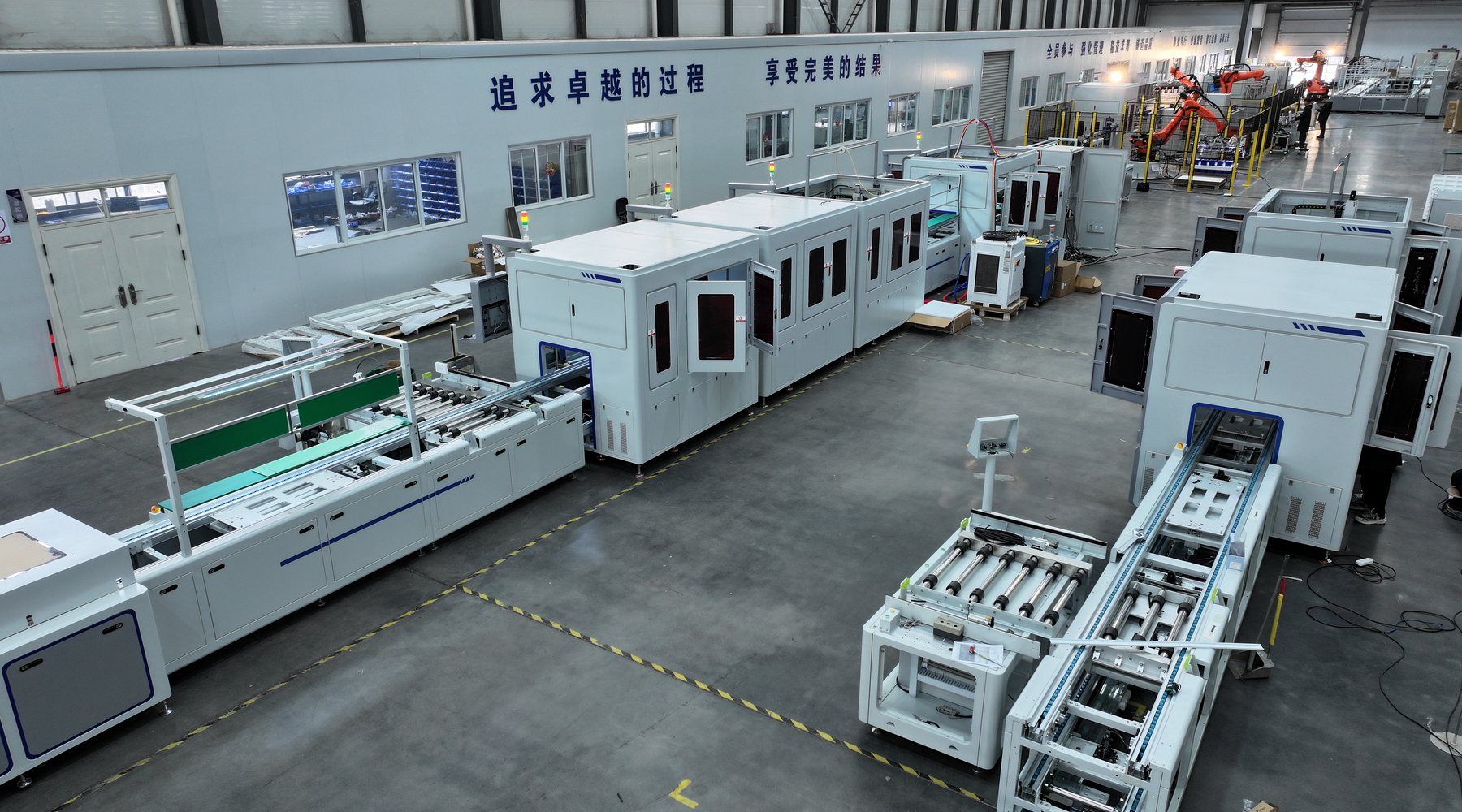
Prepare a battery module or PACK assembly inquiry by defining the product, process scope and evidence you need to compare suppliers. Use this checklist to separate equipment requirements from battery or energy storage product sourcing.
Define the assembly scope
- Prismatic, pouch, cylindrical, blade, and CTP project discussion
- Module assembly, PACK assembly, and downstream EOL testing
- Cell loading, sorting, stacking, compression, welding, insulation, and enclosure operations
- Pilot lines, semi-auto lines, and integrated production systems
What to prepare before routing
- Cell format and supplier
- Module and PACK drawings
- Target output, counting unit and net operating time
- Process stations in scope
- Available floor space
- Testing and aging requirements
- MES/traceability requirement
- Project phase and delivery country
How YaoLaser decides the next destination
- 01Map product format, module layout, and PACK structure.
- 02Separate required process scope from optional automation scope.
- 03Confirm welding, fastening, insulation, testing, aging, and traceability requirements.
- 04Prepare floor space, throughput, utility, and acceptance criteria before supplier comparison.
Questions to clarify before the specialist site
- Line design should protect cell handling, compression consistency, insulation safety, and weld repeatability.
- Testing and traceability should be designed early, not added after mechanical layout is frozen.
- Ask each supplier to identify included operations, exclusions and interfaces so you can compare quotations on the same basis.
Make the output target comparable
Specify whether output counts cells, modules or completed PACKs, and whether the target is per minute, hour or shift. State the counting point, net operating time and whether the number means total output or accepted output. Keep these assumptions identical when comparing supplier proposals.
Separate product decisions from equipment decisions
- Product inputs: cell specifications, module and PACK drawings, planned variants, and connection details.
- Equipment scope: operations to supply, existing equipment to retain, handling interfaces, and manual tasks.
- Acceptance evidence: agreed samples, inspection and test requirements, traceability records, and responsibilities for installation and commissioning.
Cell manufacturing, module/PACK assembly and finished ESS supply are different project scopes. Mark the stages you need and request clarification where a quotation leaves a boundary undefined. Process sequence and acceptance requirements depend on the product design.